The 20 Best Ways To Improve Motivation In The Workplace
Motivation is defined as the general desire or willingness of someone to do some...

Restaurant operations management is essential for the long-term health of your business. It’s like working on the business rather than in the business and, done well, may help you move your operation to new levels of success.
In this article, we examine the specific goals of restaurant operations management and discuss a number of ways to help you improve the program in your own business.

Restaurant operations management (sometimes referred to as ROM) is the set of processes and procedures that provides a framework for all of the day-to-day activities of your business.
These essential activities include everything from scheduling your team, assigning tasks, and managing inventory to controlling labor costs, executing payroll, and complying with labor laws.
While your business may be running fine right now, small inefficiencies can multiply and grow, become entrenched and overwhelming, and affect the long-term success of your restaurant.
An efficient ROM program can prevent little problems from becoming big problems and help keep your business running like a well-oiled machine.
Restaurant operations management is very much akin to organizational strategy. When it comes down to it, they are both complex and comprehensive programs that govern large chunks of your business activity.
They are also composed of smaller, more specific goals that inform the decisions you make for your restaurant.
For organizational strategy, those specific goals are corporate level strategy, business level strategy, and functional level strategy.
For restaurant operations management, those specific goals may include:
Your ROM program, and the specific goals and strategies it addresses, may differ from this list in some ways, and that’s OK.
Not every restaurant is exactly the same. It stands to reason, then, that while your business may share a few goals with other businesses, it will also have its own unique set of goals to contend with.

Many things need to go right for your restaurant to open its doors each day. Everything from accepting orders, prepping food, and readying the front of the house to running staff meetings and ordering supplies for the next day.
That’s why it’s so important to make clear plans for all the tasks that need to happen throughout the day.
Without such plans, your restaurant operations management may deteriorate to the point that your team starts to miss crucial activities.
When that happens long enough, and on a large enough scale, your customers may begin to notice.
To ensure that you have plans for every eventuality, start by outlining all the aspects of your daily operation. Then, create a standard operating procedure for each and make sure everyone knows whose responsibility it is to accomplish that task.

One of the largest expenses that most restaurants have to contend with is food inventory in the form of the ingredients they need to produce the food they serve every day.
But it’s about more than just ordering as much inventory as your storage spaces can hold and hoping for the best.
Controlling food inventory as part of your restaurant operations management is also about reducing food waste and ensuring food freshness so that the dishes you serve live up to the quality you and your customers demand from your business.
Ideally, you want to maintain your inventory so that your team has exactly what they need for the day’s activities without causing your business to overspend on items that won’t sell or that take too long to use.
You may have the perfect operations management program in every other regard, but if you don’t have the team to execute it, your business may be just as bad off as if it didn’t have a ROM program in place.
To make the most of the processes you put in place, take the time to perfect — or, at least, improve — your hiring and onboarding system.
Doing so may result in a whole host of benefits, including:
For more information on hiring an onboarding for success, check out these articles from the Sling blog:

Many managers mistake training as little more than a way to teach new employees to execute their jobs according to your business’s unique standards and procedures.
While that is part of the training process, there’s more to it than just saying, “Here’s how we do it.” Effective training is a way to help your employees not just perform their jobs but perform their jobs with greater competency, fewer mistakes, and higher overall quality.
With the right training program in place, your team will likely feel more qualified to fulfill their responsibilities, and the overall ROM may improve by leaps and bounds.
A key way to improve your overall ROM program is to do everything you can to manage food costs. Normally, that involves finding the best price for the food you use on a regular basis and contracting with the right suppliers.
It also involves effective menu pricing, menu engineering, and meal planning down to the last ounce so that you don’t overspend on food that will sit in your inventory where it’s not making your business any money.

Using the right point-of-sale (POS) system or restaurant management software (like Sling) can help you gather and harness the power of data for the betterment of your team and your business.
With the right data in hand, you may be able to identify how certain aspects of your restaurant perform every day, week, month, and year and make more informed decisions about how to improve the overall ROM process.
Team efficiency also plays a large role in the effectiveness of your ROM program.
For example, in some cases, you may need 10 employees working at one time in order to reach a desired level of operational effectiveness.
But when you take steps to increase team efficiency, either through training, engagement exercises, or something else, you may only need eight employees to reach that same level of operational effectiveness.
Such an increase in efficiency may help the overall operation run more smoothly, and it may also help you spend less for the same amount of productivity.
And, when your business can perform the same amount of work with fewer employees, your overall labor costs (one of the largest expenses your business will face) may go down enough that you can redirect those funds to other essential restaurant activities.
Unexpected equipment breakdowns can completely derail a busy dinner service and lead to massive repair bills. To keep your ROM plan in place and your kitchen humming, create a regular preventive equipment maintenance schedule for your team’s daily activities.
Instead of waiting for the walk-in fridge or the oven to break down during a Friday night rush, have your team inspect gaskets, clean grease traps, and check filters on a strict calendar. Catching minor mechanical issues early prevents costly emergencies.
When your hardware runs reliably, your entire operation stays smooth, your stress levels drop, and your kitchen never misses a beat.
Opening and closing a restaurant involves dozens of little steps, and missing even one can throw off your operation’s entire process. That’s why implementing detailed, physical or digital checklists for opening and closing duties is an absolute game-changer.
These lists hold your team accountable for everything from turning on equipment and setting dining tables to locking up secure storage rooms at night. When everyone knows exactly what needs to be done and when, your managers spend less time micromanaging, and your restaurant consistently meets high health and safety standards every single day.
Maximizing the number of guests you can comfortably serve during peak hours directly impacts your daily revenue. Slow table turnover ties up waiting customers and leaves money sitting on the table.
To improve your operational flow, train your front-of-house staff to coordinate closely with the kitchen so drink orders, food delivery, and check-dropping happen smoothly.
Clearing and resetting tables in a timely manner without making guests feel rushed keeps your dining room moving efficiently and your restaurant operations management plan on track. As an added bonus, better table turnover means higher sales volume without needing to expand your physical dining space.
Great restaurant operations management relies heavily on open communication between management and the floor staff. If your employees feel like their voices don’t matter, small operational problems will fester instead of getting solved.
Your line cooks and servers often spot inefficiencies long before you do, so set up regular one-on-one check-ins or quick team huddles where team members can share what’s slowing them down and offer ideas for improvement.
Encouraging honest feedback can build a stronger team culture, boost morale, and even uncover practical solutions for your operation that you may never have considered.
The layout of your kitchen plays a huge role in how fast and efficiently your team can keep things moving. If your prep stations are too far away from the cooking lines or your dishwashing station blocks high-traffic paths, your staff will constantly be bumping into each other.
As part of your ROM plan, evaluate your kitchen workflow by tracking how ingredients move from storage to the plate. Reorganizing small stations or moving tools closer to where they’re used speeds up ticket times and lowers stress during a heavy dinner rush.
Your guests often notice operational flaws before you or your team do, making their feedback a goldmine for improvement.
Instead of waiting for angry reviews to pop up online, actively encourage customers to share their thoughts through digital comment cards, table QR codes, or friendly check-ins at the table.
If a guest points out a slow service area or a food quality issue, log that feedback and discuss it during your team meetings. Then, take an active part in fixing the issue before it becomes a bigger problem that turns away loyal patrons and hurts your long-term reputation.
Relying solely on organic foot traffic can leave your restaurant operations management plan vulnerable to slow seasons and unpredictable sales slumps. Active local marketing is a vital operational strategy for keeping your tables consistently filled throughout the week.
Partner with nearby businesses for fun cross-promotions, host community fundraising nights, or sponsor local school sports teams to get your restaurant name buzzing in the neighborhood.
Building strong local ties can turn your neighbors into dedicated regulars who will be more likely to choose your restaurant for their meals.
Serving the exact same menu month after month can cause regular guests to lose interest and drive up your food costs when specific ingredients go out of season. Instead of sticking to this losing plan, try introducing strategic seasonal menu updates.
These types of limited-time specials allow you to take advantage of fresh, locally harvested produce when it’s most abundant and affordable.
Because seasonal ingredients are often cheaper to buy in bulk during their peak harvesting window, your kitchen can craft exciting new dishes while protecting your profit margins. Plus, it gives your community a delicious, fun reason to come back and see what’s new.

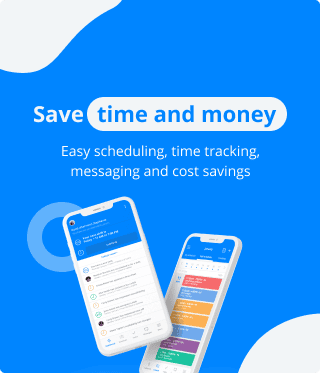
One of the best ways to improve your restaurant operations management is to set aside time to focus exclusively on the program. The Sling app can help.
Not only can Sling help you schedule time to improve the ROM program itself, but it can also help you simplify and streamline many of the other activities that go into ensuring your business runs smoothly.
The Sling suite of tools includes:
For more free resources that can help you take your business to the next level, visit GetSling.com today.
This content is for informational purposes and is not intended as legal, tax, HR, or any other professional advice. Please contact an attorney or other professional for specific advice.
See Here For Last Updated Dates: Link
Communication gaps between the morning manager and the evening manager can cause serious operational problems. If your team is experiencing this issue, try switching from messy paper notebooks to digital shift logs.
Digital logs allow managers to instantly pass along important updates, guest complaints, and low-inventory alerts. With such a system in place, everyone stays on the exact same page, which prevents mistakes and keeps your daily service running smoothly from open to close.
Your food vendors do more than just drop off boxes of ingredients each week. When it comes down to it, they are actually vital partners in protecting your profit margins.
Building strong, respectful relationships with your suppliers can lead to early payment discounts, bulk delivery deals, or first dibs on seasonal produce specials. Regularly review your supplier contracts to ensure you don’t get stuck paying above-market prices for basic kitchen staples.
Unexpected absences can happen to every restaurant team, leaving your managers scrambling to cover crucial shifts during a rush. You can prevent this from becoming a disruptive issue by cross-training your team.
Cross-training employees so servers know basic kitchen prep and line cooks understand front-of-house hosting creates a flexible, highly adaptable crew. When team members can step in wherever they’re needed most, your restaurant can more easily handle sudden staff shortages without sacrificing customer service quality.
Labor costs are one of the heaviest financial burdens you’re likely to face, and they can easily creep up without proper tracking. Setting a strict weekly labor percentage target based on your expected sales can help you write smarter employee schedules every single week.
If your sales projections dip, you can adjust shift lengths proactively rather than losing money on overstaffed floors during slow afternoon hours.
Schedule faster, communicate better, get things done.