7 Expert Tips For Choosing The Best Payroll Schedule For Your Business
Choosing the right payroll schedule for your team and your business is a dauntin...

Planning a new food-service business? Choosing one of the many common restaurant concepts is an important first step. The type of restaurant you go with will affect every decision you make after that, from location to decor to management style.
In this article, we discuss the popular restaurant concepts and help you choose the one that’s right for you.

Fast casual restaurants cater to customers looking for an option that is relatively quick but is healthier than fast food and more affordable than a casual dining establishment.
The fast food restaurant concept attracts diners because of its price, convenience, and speed.
In fact, fast food is the most widely recognized type of restaurant in the world thanks to franchise chains like McDonald’s, Burger King, KFC, Taco Bell, and others.
With the focus on speed, ingredients are usually preheated or precooked and then delivered over the counter, or through a drive-thru/walk-up window, to customers who seat themselves.
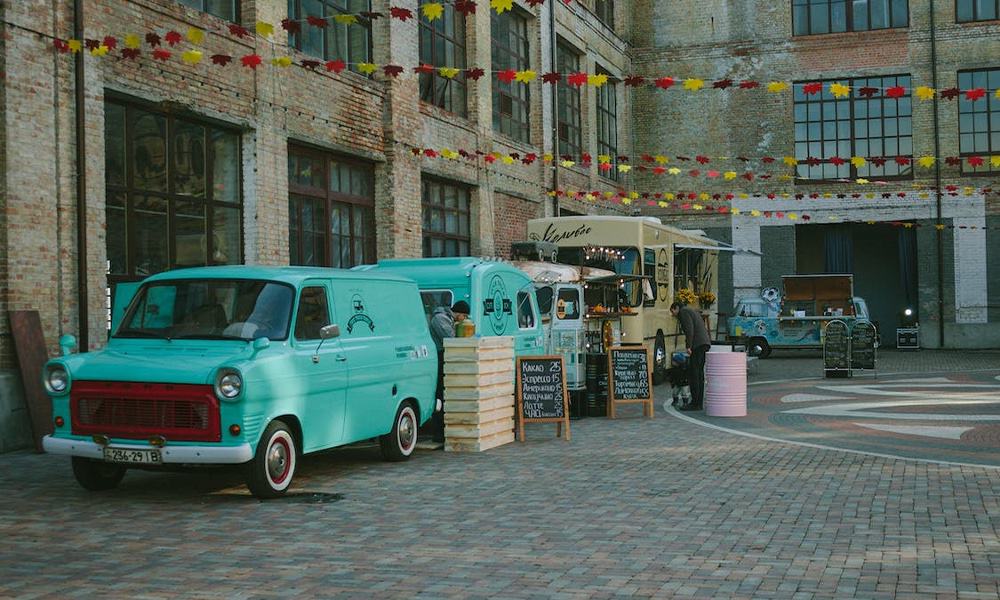
Food trucks are unique modern restaurant concepts that normally specialize in a single type of food (e.g., hot dogs, smoothies, tacos, sandwiches, baked goods, ice cream, etc.) and serve a limited menu that revolves around those items.
Food carts and food stands have similar setups, and all three typically fall into the larger fast food category.
Casual restaurant concepts share characteristics, such as:
As a general rule, the casual restaurant concept falls somewhere between fine dining and fast casual on the extravagance spectrum.
The family style restaurant concept is similar to the casual model with one significant difference: servers deliver the food in large dishes and customers then dish the food themselves and pass it to others at their table.

The fine dining concept offers diners a premium eating experience often comprising several courses and more exotic foods.
Fine dining restaurants create a stylish atmosphere that speaks of elegance, exclusivity, and class and often operate as a single location to increase their image (though, done right, they can also operate as a franchise).
The cafe concept is characterized by outdoor seating, an unhurried atmosphere, and the loyalty of repeat customers.
Fare often includes coffee, tea, pastries, small items for breakfast or lunch, and a small sampling of desserts.
Buffets are a variation of the family style restaurant where customers pay a fixed price, serve themselves, and choose from a variety of foods (of which they can eat as much as they want).
Popular buffets include (but are not limited to):
A ghost restaurant (a.k.a. virtual restaurant, delivery-only restaurant, online-only restaurant, or dark kitchen) is unique amongst restaurant concepts in that it serves customers exclusively through phone orders, online orders, or both.
Most ghost restaurants don’t have a traditional storefront with decor, signage, or any dining room to speak of.
All they need is a kitchen, phone/internet, and delivery drivers.
With the spread of Starbucks establishments around the world, most people are familiar with the concept of the coffee house, which offers a unique set of features that you find few other places.
Most coffee houses offer:
For more information on this type of restaurant, take a moment to read our article How To Start A Coffee Shop | A Detailed Guide.
Pubs offer a relaxed place to enjoy beers and alcoholic drinks. While they started mainly as bars, modern pubs serve full meals, snacks, and non-alcoholic options.
They often feature full service, casual decor, games, and televisions, making them popular spots for friends to unwind.
Pop-up restaurants let owners and chefs test new food ideas or unique styles without opening a permanent spot. They can operate inside an existing spot, stay put for a season, or move to different locations every few nights.
Novelty is the main attraction of this restaurant concept, but it does require a lot of work to move the operation from place to place.
Bakeries require little more than a simple kitchen and a front counter, but many have expanded to include other items like coffee, tea, and desserts.
An interesting aspect of the bakery concept is that you can often serve as a supplier for other restaurants in the same area. That can be a ready-made source of income in addition to what you can expect from regular walk-in customers.
Theme restaurants create memorable dining experiences by surrounding guests with immersive environments based on popular ideas like space, pirates, or the Wild West.
While the decor and fun names match the specific theme, the food remains comforting and familiar and will often attract both families and adults.
Diners offer affordable comfort foods like burgers, fries, and breakfast items in a casual setting. Many feature cozy booths, table service, and long counters with stools where customers get food straight from the kitchen.
Diners are becoming increasingly popular in downtown areas where those on lunch break can go to get out of the office for a while.

Before you go all-in on a specific restaurant concept, take a close look at your personal strengths, management style, and lifestyle.
Running a food-service business demands lots of focus and energy, and the day-to-day looks very different depending on the concept you choose. Are you more of a hands-on operator, a behind-the-scenes manager, or a creative culinary artist?
Not sure what those entail? Here’s a quick breakdown.
Hands-on operator: If you love the idea of interacting directly with guests, concepts like a casual diner, a local cafe, or a neighborhood pub put you right on the floor getting to know the people who walk through your door.
Behind-the-scenes manager: If your personal strengths lie in logistics, speed, and process control, a fast-casual spot, a delivery-only kitchen, or a high-volume fast-food franchise might suit your temperament better.
Creative culinary artist: If you’re the type of person who wants to change the menu daily and experiment with flavors, you might thrive in a pop-up restaurant, contemporary casual spot, or upscale bistro.
It’s also a good idea to consider your preferred daily lifestyle when choosing a restaurant concept. A 24-hour diner or a busy breakfast cafe means early mornings or late nights, whereas a ghost restaurant operating only for dinner shifts offers a different schedule entirely.
Matching your restaurant concept to your personal strengths, management style, and lifestyle can help reduce burnout and set your new business up for long-term stability.
To help you choose one of the many restaurant concepts available, it’s vital that you research your market.
Researching the market where you want to settle, which is dramatically different from activities such as social media marketing, helps you understand what types of businesses are working and what types are not.
For example, if there are already three coffee houses in a town of only 2,000 people, it’s a safe bet that the market is already saturated.
Unless you’re doing something drastically different, you might want to choose a different restaurant concept.
The restaurant concept you choose will have a profound effect on the operational workflow required to minimize waste and keep service moving.
For example, a fast-casual setup requires a streamlined order counter right near the entrance, a clear pick-up station, and a kitchen layout optimized for quick assembly.
In contrast, a fine-dining restaurant needs a spacious back-of-house kitchen that allows multiple station chefs to plate complex dishes simultaneously without bumping into each other.
Once you’ve got the layout set, turn your attention to how you plan to keep your team coordinated and efficient (both in the long-term and the day-to-day).
As your staff grows, managing shifts manually on paper or via messy group chats can quickly lead to costly errors, understaffed rushes, or unhappy employees.
Using an all-in-one workforce management solution like Sling can help you take control of your labor costs, build schedules in minutes, and keep your entire team connected. With built-in time clocks, attendance tracking, and smart communication features at your fingertips, you can spend less time fixing scheduling conflicts and more time growing your new restaurant business.
Another essential step that will help you choose one of the concepts on this list is to establish a budget for the setup of your business.
Building a fine dining establishment from scratch is going to cost a lot more than outfitting a food truck. Creating a restaurant budget in the early planning stages will help you identify what types of restaurants are in reach.
And if you know how much you can comfortably spend before you choose a restaurant concept, you won’t overextend and take on more debt than you can handle.

If your passion is hamburgers or barbecue sandwiches, you might want to skip the fine-dining, buffet, and coffee house restaurant concepts and go directly to one of the more informal types such as fast casual, cafe, or fast food.
Choosing the type of cuisine for your new restaurant early on in the process eliminates much of the confusion over the many different restaurant concepts so you can narrow everything down to one, two, or three options that are perfect for your business.
Identifying your target clientele goes a long way toward helping you settle on a concept for your restaurant.
For example, if you want to target the college crowd, fun, quirky decor and familiar food choices are more appropriate than lavish surroundings and international fare that few have ever heard of.
Market research helps you choose your customer base, but you can choose a target clientele even before you start investigating the area in which you want to locate your business.
When it comes to choosing a restaurant concept, you can learn a lesson from the real estate industry: Location, location, location.
If you find the perfect location in the heart of a college campus, are you going to open a fine-dining establishment or go with a concept geared more toward the local population, like a cafe or a coffee house?
Matching the concept with the location of your restaurant can make or break your business and mean the difference between success and failure.
Regardless of which restaurant concept you choose, checking and abiding by legal requirements and health department codes is a mandatory step that will impact your timeline and startup capital.
Different restaurant concepts come with different regulatory hurdles.
For example, if you plan to open a pub, a family-style restaurant, or a fine dining establishment serving alcohol, you will need to apply for specialized liquor licenses. These can involve strict background checks, high state fees, and lengthy approval waiting periods.
If you want to be a mobile food vendor, keep in mind that food trucks and carts face a unique set of rules. Beyond standard health permits, you’ll also have to comply with local street-parking laws, mobile food facility inspections, commissary kitchen requirements, and county-specific health permits for every municipality in which you operate.
Or if you want to go the traditional brick-and-mortar route, it’s important to remember that standard commercial kitchens must meet strict commercial building codes, including grease trap installations, proper ventilation hoods for fire safety, ADA-compliant restrooms, and dedicated hand-washing stations.
Planning and budgeting for these permits, inspections, regulations, and licenses can prevent costly construction and operational delays, so be sure to consult your local health department and a commercial real estate attorney when considering which restaurant concept to choose.

No matter which restaurant concept you choose, you’re going to need employees. And as long as your business has employees, keeping them organized, on task, and efficient is essential for success.
Effective scheduling is the key.
Whether you run a traditional brick-and-mortar business, an online-only business, or something in-between, the simplicity, power, and value of an all-in-one workforce management software suite such as Sling is the backbone of your operation.
Sling offers powerful and intuitive scheduling as well as a whole host of tools to help you optimize the way your business runs, including:
Sling even boasts an onboard A.I. that offers suggestions and alerts to help you avoid double-bookings and scheduling an employee when they’ve requested time off.
Sling really is the easiest way to schedule and communicate with your team, whether you oversee a fine dining establishment, diner, or ghost restaurant.
Try Sling for free and discover just how easy it is to streamline your operations and keep your business on the road to success.
For more resources to help you manage your business better, organize and schedule your team, and track and calculate labor costs, visit GetSling.com today.
This content is for informational purposes and is not intended as legal, tax, HR, or any other professional advice. Please contact an attorney or other professional for specific advice.
See Here For Last Updated Dates: Link
Your equipment depends on your menu and speed. Fast-casual spots need high-speed fryers and flat-top grills for quick assembly. Fine-dining venues require precision tools like convection ovens and multi-zone refrigeration.
Always buy gear that fits your space and energy budget. Reliable equipment prevents unexpected breakdowns during peak hours, saving you money on emergency repair costs and keeping your kitchen running smoothly.
Food-service businesses face unique risks, making insurance an essential expense. General liability covers customer slips and food poisoning, and, if you serve alcohol, liquor liability protects against related incidents.
Commercial property insurance shields your building and expensive kitchen equipment from fire, theft, or water damage. State laws also require workers’ compensation for staff injuries.
Once you’ve decided on a restaurant concept, consult with a hospitality insurance broker to ensure your new business is fully protected against costly accidents and legal claims.
To start building a strong brand, take time to define your core story, values, and visual style so that it matches your restaurant concept. Create a professional logo, build a clean website, and claim your local map profiles.
Then use social media to share build-out photos, menu tests, and launch countdowns. Engage with your community early through local events or partnerships to generate organic hype and build an eager customer base.
Creating a strong identity like this can help you stand out from local competitors before you even open your doors.
Schedule faster, communicate better, get things done.