
How To Calculate Overhead Costs In 3 Easy Steps
To paraphrase a familiar expression: Nothing is certain but death, taxes, and ov...

You got into the restaurant business because you love food and you want to make people happy with that food. It’s a noble pursuit and one that seems relatively simple on the surface: make food, serve it to people.
But underneath that simple premise is a whole host of complex responsibilities that you may not be trained for, nor particularly enjoy. Chief amongst those complex responsibilities is restaurant accounting.
Restaurant accounting is one of the most important aspects of making your business successful, but is often overlooked (or avoided) because it can be difficult tracking and making sense of all those numbers.
But there is light at the end of the tunnel. Restaurant accounting doesn’t have to be feared and put off until the last minute. There are ways to simplify and streamline the process. This article will discuss 12 steps to effective restaurant accounting…

Most of us are not trained accountants. Because of this, the terms we are forced to learn are like a completely new language. Yes, they’re English words, but they might as well be Cyrillic for all the meaning they convey.
Terms like revenue, profit-and-loss, prime cost, red, black, and a whole host of others, can have your head swimming in no time. What exactly do those terms mean? What constitutes revenue and what constitutes expenses? What does a profit-and-loss statement tell me? What’s the difference between bookkeeping and accounting?
It may seem like an uphill battle, but just learning the definitions for the most important terms can give you incredible insight into the financial side of your restaurant. Websites like Investopedia can be a great start for those unfamiliar with the processes involved in tracking money.
But if it just seems too daunting for you to handle, consider the next step as the most important.
Hiring an accountant to help you with your finances is a good idea for any and every restaurant. If the whole thing is just too confusing for you, or bookkeeping is too complex for one person to manage, an accountant can handle it for you.
Even if you’ve got a good handle on the entire bookkeeping process, a professional accountant can help you interpret the information that your accounting produces.
Whether you’re just starting out in the restaurant business, or you’ve been doing it (and the accounting) for years, hiring an accountant is a great way to ensure that everything is being done correctly and that your business is profitable.
To find the right accountant, talk to other managers, owners, or chefs to see who they use. Look for someone with knowledge of your local laws and experience in the restaurant accounting niche.

Whether you use an accountant for your day-to-day bookkeeping or not, you’re going to need to use the right tools to make your restaurant accounting easier.
Tracking financials used to be done in complicated-looking, multi-columned ledgers. Those rows upon rows of figures would be enough to make even the most enthusiastic number lover rub their eyes in confusion.
Thankfully, we no longer have to rely on ledgers and columnar pads. The computer has changed all that. Accounting software products are everywhere these days, so you’ve got plenty of choices.
The nice thing about many of these tools is that they look like a checkbook (something that most of us have experience with). That can make the learning curve just a bit easier.
Whether you use accounting software or choose to go the paper-and-pen route, the numbers you need to record will be the same. Here’s a list and a breakdown of each.
Food inventory cost: We’ll delve deeper into the food inventory and food cost ratio in a section below. For now, it’s important that you keep track of daily food sales, food purchases, and any inventory on hand. These numbers become important at the end of the month.
Food sales: For food sales, keep track of the amount of money your restaurant earned during each meal period of the day. If possible, record these numbers daily, or at least weekly.
Beverage sales: You can also use the food sales worksheet you created above to record beverage sales. Be sure to categorize your numbers by drink type, including beer, soft drinks, wine, and cocktails. As with food sales, record these numbers daily, or at least weekly.
Cashier’s summary: The cashier’s summary keeps track of all the transactions entered at a single cash register. If you have more than one cash register, you need more than one summary sheet.
The summary should include starting cash on hand as well as all dollar amounts run through that register. If possible, you should also categorize the credit card transactions by card company (e.g., Visa, MasterCard, American Express, etc.).
Other numbers to make room for include sales tax collected, tips charged to credit cards, and how payment was made (e.g., cash, check, credit card, etc.).
Sales and cash receipts worksheet: A sales and cash summary keeps track of total food sales, total beverage sales, sales tax collected on each, tips charged, and other relevant data.
You may also choose to further categorize this sheet by specific types of food and specific types of beverages if that helps you make sense of the numbers.
Operating expenses: Operating expenses are also important for tracking your bottom line. You’ll need to record numbers like rent payments, depreciation, startup costs, loan payments, employee wages, employee benefits, insurance, payroll, marketing, utilities, administration expenses, necessary repairs, and maintenance, just to name a few.
This is a great place to compare the total of all sales with the total of your operating expenses. That gives you a good idea if you’re in the red, breaking even, or turning a profit.
Break-even analysis worksheet: Finally, you’ll need some kind of break-even report. This analysis lets you know what needs to be done to break even and how long it will take to get there. This report uses a combination of numbers from the other areas of your business to project future earnings and expenses.
That’s a lot of data! It can be extremely overwhelming, which is why we don’t suggest you try to do it with a pen and paper. Accounting and bookkeeping software makes this process so much easier.
You can link your accounting software with your point-of-sale system (see below), enter just a few sets of numbers, and then generate reports for each of the categories mentioned above, plus a whole lot more. Outside of hiring someone else to crunch the numbers, using a software program is your best bet for effective restaurant accounting.
As with hiring an accountant, talk to your friends in the business and see what tools they use to track their restaurant accounting. Then, take advantage of free trials and investigate numerous programs.
You don’t have to spend a lot of time trying every feature of the application. Just enter a few transactions and see if things make sense to you.
This step in the restaurant account process is often overlooked. It’s overlooked because many managers don’t consider the decidedly “front-of-the-house” point-of-sale (POS) system as applicable to the “back-of-the-house” accounting system.
That’s a shame because the two systems are intimately intertwined. Imagine being able to link your POS system and your restaurant accounting system so that you could track inventory and labor costs, methods of payment, and a whole host of other variables.
Like accounting software, point-of-sale software abounds these days. These apps can connect your business to your books with hardware and cloud-based software.

The vast majority of restaurant sales depend on credit cards. Most credit card terminals require that you close out that batch of transactions every day. When you do that, the credit card company starts the process of transferring that money to your bank account. Basically, you’re going to have a deposit every day.
Because of those daily deposits, it’s important that your bookkeeping mirrors that activity. Some restaurants will wait until the end of the week to record one “lump sum,” but that doesn’t give you an accurate picture of your day-to-day sales.
Day-to-day sales are important because they affect other aspects of the business like inventory and payroll. Be sure to record all sales on a daily basis to make the reporting easier in the future.
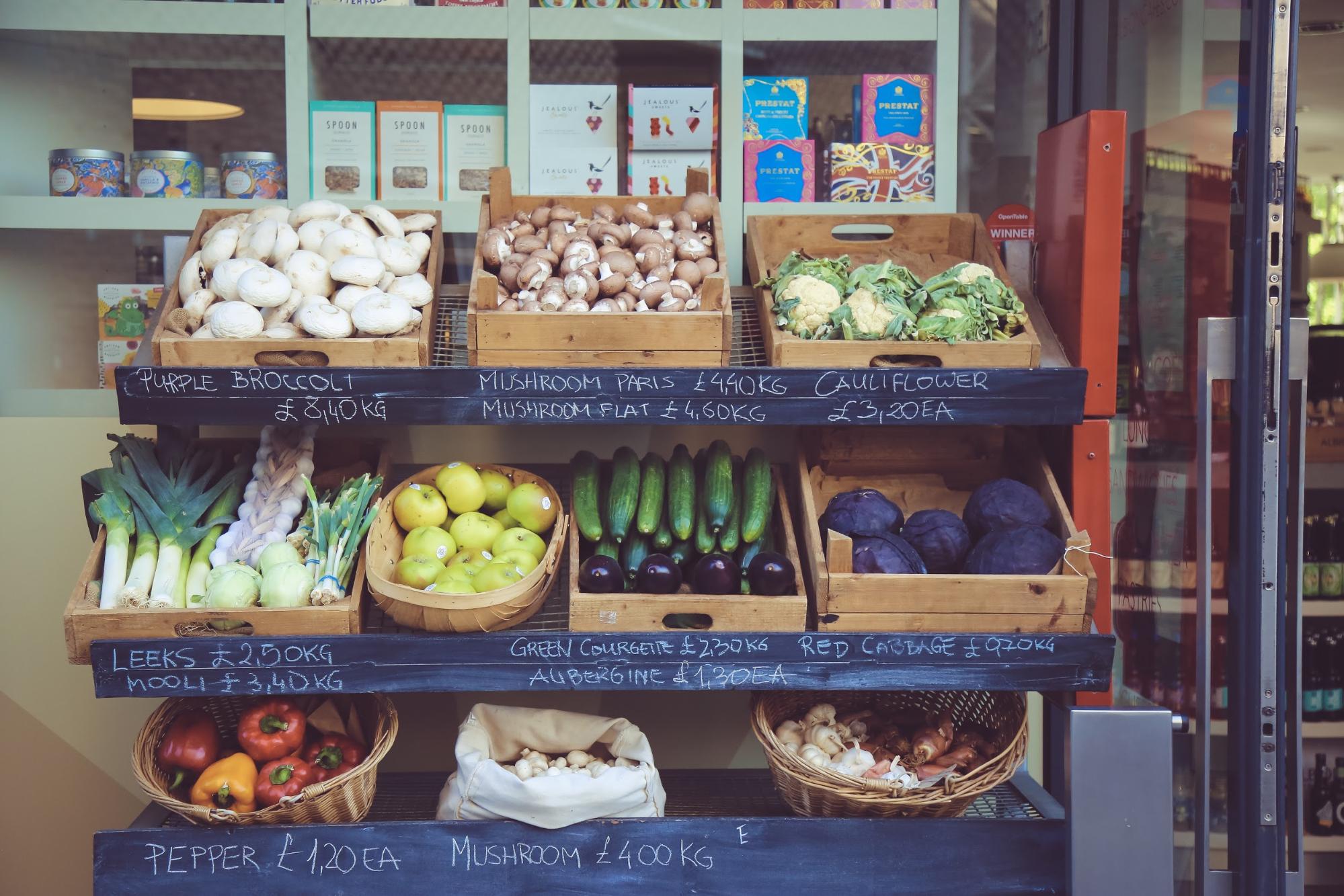
Every restaurant has expenses. Keeping those expenses under control is one of the best ways to make your business profitable. Depending on how you pay and the arrangements you’ve made with vendors, bills may come due once a month, every two weeks, or even weekly.
Start out by entering and paying your bills once a week. As you gain some experience with restaurant accounting, you may discover that while sales need to be recorded every day, expenses may only need to be recorded every two weeks. It all depends on how you pay those bills.
Whatever terms you work under, don’t let your bills pile up. Taking a half hour every other day impacts your busy schedule less than an hour-and-a-half every week or three hours every two weeks.
Here are 7 tips on how to prepare a restaurant budget.

Yes, you could do the payroll yourself, but there are two good reasons why you should consider outsourcing the payroll portion of your restaurant accounting: liability and cost.
Payroll laws and taxes are constantly changing so staying in compliance with federal, state, local, and workforce requirements can be a full-time job. On top of that, if mistakes are made in withholding or payment, penalties and interest can be substantial.
It’s better to have a trained, experienced professional handle your restaurant’s payroll so you don’t have to stay on top of all the complicated changes.
Another factor to consider is cost. Think about how long it would take you to calculate the payroll every week. Think about how long it would take you to stay current on all the myriad details that surround the different withholdings and taxes and fees for each employee.
Now ask yourself, “What else could I be doing with that time?” There are, no doubt, much more important things you could be doing to help make your business profitable. The relatively small cost for outsourcing your payroll is more than offset by the time you save and the stress you do away with.
Financial reports are the movie screen on which your restaurant’s profitability is displayed. Those reports are how you know what’s going on behind the scenes.
Additionally, financial reports provide insight into what you can do to take your restaurant to the next level. That’s why it’s important to produce those reports on a regular basis. Concentrate on such numbers as sales vs. expenses, labor ratios, and prime cost.
Another beneficial report is the profit and loss statement. This report can be produced weekly, monthly, quarterly, even yearly to show you in what direction your business is going financially.
But analyzing those reports can be a difficult proposition. What does that graph show? What does the difference between these two numbers mean? Is my restaurant heading in the right direction? This is where an accountant comes in handy.
They can help you make sense of what all the numbers mean and make sure your restaurant accounting, and the restaurant itself, is on the right track.
Keeping track of your inventory and how it affects your restaurant can make or break your business. This is because food and beverage, along with labor costs, are by far your largest expenses.
Factor in non-perishable items like paper towels, cleaning supplies, tableware, and kitchen equipment, and you’re looking at 75% or more of your expenses.
One way to see how your inventory impacts your bottom line is by calculating your restaurant’s food cost percentage. Here’s a simple breakdown of the process. For this example, we’ll focus on just food.
The equation to figure out food cost percentage is:
(Beginning Inventory + Food Purchases – Ending Inventory) / Food Sales = Food Cost %
Before we delve into the final percentage, let’s define each term so you know where to find these numbers for your own restaurant.
Beginning Inventory = Your start-of-the-month food inventory
Food Purchases = The cost of all food purchases during the month in question
Ending Inventory = Your end-of-the-month food inventory
Food Sales = Total food sales for the month
Most restaurants just divide their food purchases by their food sales, but that number can be misleading. Here’s why.
Imagine that you inventory your food supplies on September 30th and then again on October 31st. This gives you a monthly inventory report with the following numbers:
September 30th Inventory: $3000
October 31st Inventory: $5000
During that month, your restaurant also generates the following figures:
Food Sales: $80,000
Food Purchases: $30,000
If you just used those last two numbers to analyze your profit and loss, you’d come up with the following:
$30,000 / $80,000 = 0.375 or 37.5%
These numbers tell you that you spent $30,000 to make $80,000 for a profit of 37.5%. But what about the inventory that you already had on hand? That needs to be factored in as well. That takes us back to the original equation mentioned above.
(Beginning Inventory + Food Purchases – Ending Inventory) / Food Sales = Food Cost %
($3000 + $30,000 – $5000) / $80,000 = 0.35 or 35%
This second calculation tells you that you actually spent $28,000 (not $30,000) to make $80,000 in sales for a profit of 35%. Sure, the difference in percentages is only 2%, but that is significant in an industry where the average profit margin is between 4% and 5%.

Restaurant sales are retail sales and are therefore subject to local and state sales tax. In addition, employee payroll is subject to state unemployment, payroll taxes, Social Security, and Medicare taxes.
Check local and state laws in your area to see if these taxes apply to your restaurant. If they do (and they most likely will), you must report sales and payroll amounts on a regular basis (e.g., monthly or every three months).
On top of all that, you must also pay federal income tax based on your business’ net profits. Most payments will occur every few months or annually, but schedules for local, state, and federal taxes are usually based on payroll volume and will be dictated by the IRS when you apply for an employer identification number (EIN).
Sales tax should be applied to every purchase a customer makes in your restaurant to cover the tax you will owe the state at the end of the month. Not sure how to calculate the monthly sales tax you owe for your restaurant? Here’s a step-by-step way to do it.
First, determine your sales tax rate. This will usually be in the form of a percentage. For example, the sales tax rate in our area is 7%.
Second, add up the total of all taxable items sold during one month.
Third, multiply your sales tax rate by the total of all taxable items sold during the month.
Fourth, record these numbers on your state’s tax forms.
Fifth (and finally), write a check for the amount you owe and send it in.
Let’s look at an example for the month of May. Let’s say the sales tax rate in your area is 5%. That means you’ll be charged 5% on all sales. You need to be charging your customers that 5% to cover the bill you’ll have. If you don’t, that tax will come out of your pocket and will seriously affect your profitability.
Once you know your sales tax rate (5%), multiply that by the total sales for the month. Keep in mind that not everything you sell may be taxable. Some items might be tax free in your state and may not require that you charge sales tax.
This is important for both your business and your customers, so make sure you check with the appropriate agency to determine what is taxable and what is not.
Back to the example, let’s say you made $100,000 on taxable items during the month of May. Your calculation would look like this:
$100,000 x 0.05 = $5000
That means that you will owe $5000 in sales tax for the month of May. See why it’s so important to charge your customers that amount? A mere $5000 can mean the difference between just breaking even and actually making a profit.
Once you’ve calculated your sales tax, be sure to pay on time so you don’t accrue any penalties and late fees. These fees can add up quickly and exceed that original $5000 you were supposed to pay. It’s not worth the risk to underpay (or not pay) your taxes on time and in full whenever you are required to do so.
If you’re not comfortable calculating and paying taxes, hire a professional who can do it for you. The small price you pay for their services pales in comparison to the high price you would pay if you failed to file or filed incorrectly.
Don’t know what the sales tax is in your area? Try searching your state’s department of revenue or taxation website.
If you want to keep your restaurant profitable, you need to watch your prime cost closely. Prime cost is the sum of your total food and beverage costs plus your labor costs.
Why does this single number matter so much? Because it makes up the vast majority of your everyday expenses, usually around 60% of your total sales.
Instead of waiting until the end of the month to calculate this figure, get into the habit of checking it weekly. When you review your prime cost every seven days, you catch expensive problems before they ruin your monthly budget.
If food waste spikes or you accidentally overschedule staff during a slow week, you can make quick fixes right away. Checking this number often gives you total control over your bottom line.
Mixing personal money with business funds is one of the easiest ways to complicate your restaurant accounting. Even if you start small or run a sole proprietorship, open a dedicated business checking account and get a separate credit card for all restaurant expenses.
When you keep these accounts separate, tracking your daily cash flow and organizing receipts becomes much simpler. It saves you from sifting through personal transactions at tax time or guessing whether a debit was for dish soap or your personal groceries.
Clear boundaries can make your financial reports far more accurate and protect you if your business ever faces an audit. Plus, sending all restaurant transactions through one account gives you a transparent snapshot of your profits with just a quick glance at your bank statement.
If learning the language, using accounting software, keeping track of all the numbers, and paying the appropriate taxes feels overwhelming to you, don’t panic. Instead, consider hiring an accountant and outsourcing your payroll in order to build a solid restaurant accounting system.
Remember, the relatively small fees you pay for these services (which can be written off as operating expenses) can save you serious time and stress. That time and energy can be focused in other areas to help your restaurant remain profitable.
Once you’ve established an effective system of restaurant accounting, you may choose to take on the task yourself. That’s great! The Sling app can help.
Sling is a scheduling and time tracking tool that allows you to control labor costs and overtime spending as you build the work schedule.
From the moment your employees clock in, their data is available and ready for processing. And at the end of the pay period, all it takes is a few clicks or taps to produce reports and transfer data to integrated payroll tools.
Try Sling for free today to experience firsthand how the software can help you keep your numbers organized for restaurant accounting.
This content is for informational purposes and is not intended as legal, tax, HR, or any other professional advice. Please contact an attorney or other professional for specific advice.
See Here For Last Updated Dates: Link
The core difference between cash accounting and accrual accounting comes down to when you record money coming in and going out of your business.
In cash accounting, you record revenue when you receive the payment and expenses when you pay the bill. In accrual accounting, you record revenue when you earn it and expenses when you receive the bill.
Most restaurants prefer accrual accounting because it matches daily food sales directly with the inventory used, giving a far more accurate picture of true monthly profits.
When a customer buys a gift card, that money isn’t immediate profit. Instead, it should be recorded as a liability (money you owe in future food or services).
You only count it as actual sales revenue when the guest returns and redeems the card for a meal. Unredeemed cards should remain on your balance sheet until used, preventing your sales figures from becoming artificially inflated.
Food waste tracking measures ingredients that get spoiled, spilled, or prepped incorrectly and thrown away. Recording these ruined items in a daily waste log helps adjust your actual inventory counts without skewing your profit margins.
By accounting for waste separately, you can identify bad kitchen habits, adjust purchasing quantities, and prevent unexplained drops in your monthly bottom line.
A petty cash account is a small stash of physical cash set aside for emergency micro-purchases, like buying quick ice bags or paying for a minor repair.
Instead of pulling money directly out of the cash register drawers, employees can draw from petty cash and log the receipt. This keeps your daily register tallies accurate while ensuring small, unexpected operational expenses are properly tracked.

Schedule faster, communicate better, get things done.

